


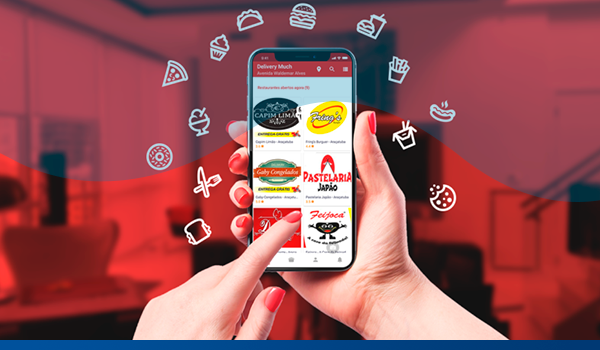
Convenience has become one of the most powerful forces shaping financial behavior in modern America. Food delivery, ride-sharing apps, automatic subscriptions, same-day shipping, digital payments, streaming platforms, and on-demand services transformed daily life into a system designed around speed, comfort, and instant access. What once were occasional luxuries slowly became routine habits integrated into everyday life, often without people fully noticing how much money these conveniences consume over time.
The problem is not that convenience itself is harmful, but that modern consumer culture normalized paying extra for almost everything in exchange for saving small amounts of time or avoiding temporary discomfort. Because these expenses usually appear individually small and emotionally justified, many Americans underestimate their long-term financial impact. Over time, convenience-based spending quietly drains income, reduces savings potential, and creates financial habits centered around immediate comfort instead of long-term financial stability. Understanding how convenience culture affects money decisions is essential for recognizing one of the most overlooked financial patterns in modern life.
Convenience Spending Feels Emotionally Harmless
One of the reasons convenience became financially dangerous is because the spending rarely feels excessive or irresponsible in the moment. Ordering food delivery after a long workday, paying for faster shipping, using ride-share apps instead of public transportation, or subscribing to digital services often feels completely justified because each purchase appears small, practical, and emotionally reasonable.
Unlike large luxury purchases, convenience spending hides inside daily routines and gradually becomes emotionally associated with productivity, stress relief, or self-care. Many people no longer perceive these purchases as optional expenses because modern life itself feels exhausting, busy, and mentally overwhelming.
As a result, spending money to eliminate small inconveniences begins feeling normal and necessary, even when those repeated expenses slowly consume a large portion of monthly income over time.
Digital Technology Removed Spending Awareness
Technology dramatically accelerated convenience culture by making spending nearly frictionless. Mobile payments, saved credit card information, one-click purchasing, and automatic renewals removed the physical and emotional pause that once existed before spending money.
In the past, paying with cash or physically visiting stores created natural awareness around purchases. Today, transactions happen instantly and invisibly through phones, apps, and automatic systems that reduce emotional connection to money itself.
This lack of spending awareness makes convenience purchases feel less financially significant than they actually are. Small daily transactions accumulate quietly because people rarely stop to calculate the total amount being spent across multiple convenience-based services every month. Over time, the ease of spending changes financial behavior by encouraging impulsive and emotionally driven decisions instead of intentional budgeting or long-term planning.
Convenience Culture Thrives On Emotional Exhaustion
Modern convenience culture is deeply connected to emotional and mental exhaustion. Americans are working longer hours, experiencing higher stress levels, and constantly managing overwhelming schedules, which makes convenience spending feel emotionally deserved.
After exhausting workdays or stressful routines, paying extra for faster services or avoiding small tasks feels like a reward or survival mechanism rather than unnecessary consumption. Food delivery replaces cooking, subscriptions replace effort, and paid convenience replaces time management.
Companies understand this psychological vulnerability extremely well and actively market convenience as a form of emotional relief, comfort, or productivity enhancement. The result is a financial environment where people continuously spend money trying to reduce stress while unknowingly increasing long-term financial pressure.
Small Convenience Costs Create Massive Long-Term Impact

The true financial danger of convenience culture lies in accumulation. Most convenience expenses seem relatively harmless individually, but together they create enormous long-term financial consequences that many people never fully calculate.
Daily coffee delivery, subscription services, convenience fees, faster shipping, digital entertainment, food delivery markups, and ride-sharing expenses may each seem insignificant independently. However, repeated consistently over months and years, these habits quietly consume thousands of dollars that could otherwise support savings, debt reduction, investments, or financial flexibility.
Because the spending feels scattered and emotionally justified, many Americans underestimate how deeply convenience habits affect their financial progress. This often creates confusion when people struggle to understand why earning more money still does not produce greater financial stability.
Convenience Is Changing Financial Priorities
Another important shift created by convenience culture is that Americans increasingly prioritize immediate comfort over long-term financial planning. Modern life encourages solving discomfort quickly through spending rather than through preparation, discipline, or delayed gratification.
This mindset changes financial priorities because convenience-based decisions focus on making the present easier while quietly sacrificing future financial flexibility. Over time, people become emotionally dependent on paid convenience for managing daily life, making it difficult to reduce spending even during periods of financial stress.
The normalization of convenience spending also weakens awareness around how much control small daily habits have over long-term financial outcomes. Many individuals focus heavily on large financial goals while overlooking the quiet impact of everyday convenience consumption.
America Is Paying More For Comfort Than Ever Before
The rise of convenience culture reveals how modern financial behavior is increasingly shaped by emotional exhaustion, digital technology, and the desire for immediate comfort. Americans are not simply spending money on products anymore — they are spending money to save time, avoid stress, and temporarily reduce mental pressure.
While convenience itself is not inherently negative, the normalization of paying extra for nearly every aspect of daily life created financial habits that quietly weaken long-term stability and increase dependence on constant consumption. The emotional ease of convenience often hides its true financial cost until pressure and financial stress begin accumulating over time.
As more people begin reevaluating their financial habits, many are realizing that true financial freedom may require becoming more intentional about which conveniences genuinely improve life and which ones simply create expensive patterns of unnecessary spending disguised as comfort.

 The New Money Gap Between People Who Automate Finances And Those Who Do Not <p class='sec-title' style='line-height: normal; font-weight: normal;font-size: 16px !important; text-align: left;margin-top: 8px;margin-bottom: 0px !important;'> More Americans are using financial automation to save consistently, avoid costly mistakes, and build wealth with less daily effort. </p>
  Why Some Investors Are Choosing Liquidity Over Maximum Returns <p class='sec-title' style='line-height: normal; font-weight: normal;font-size: 16px !important; text-align: left;margin-top: 8px;margin-bottom: 0px !important;'> More Americans are prioritizing financial flexibility by keeping more of their investments accessible instead of chasing the highest possible returns. </p>
  The Financial Advantage Of Having A Smaller Lifestyle Than Your Income <p class='sec-title' style='line-height: normal; font-weight: normal;font-size: 16px !important; text-align: left;margin-top: 8px;margin-bottom: 0px !important;'> More Americans are discovering that living below their income creates greater financial freedom and lasting long-term security. </p>