


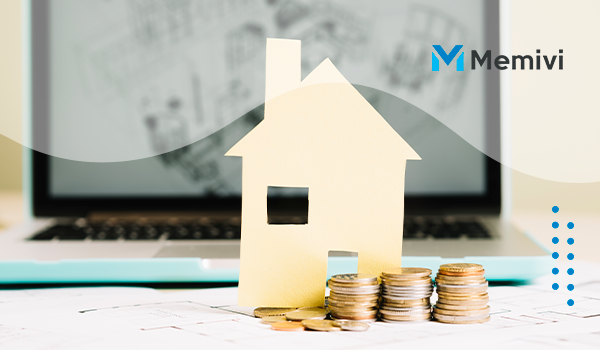
For generations, owning a home, a car, furniture, and even household appliances was considered a natural part of achieving financial success in the United States. Ownership represented stability, independence, and long-term wealth. Today, however, that traditional model is beginning to evolve. Rising housing prices, changing work habits, remote lifestyles, and the rapid expansion of subscription-based services have created a new financial reality where renting is becoming increasingly common across many aspects of daily life.
This growing shift goes far beyond renting apartments. Americans are now renting vehicles, office spaces, electronics, designer clothing, fitness equipment, furniture, and even everyday household items. While this lifestyle offers flexibility and lower upfront costs, it also raises important questions about long-term financial planning. Is renting helping people preserve cash flow and financial freedom, or is it quietly making wealth building more difficult? As more households embrace access over ownership, understanding the financial impact of this trend has become increasingly important.
Renting Offers Financial Flexibility
One of the biggest reasons Americans are renting more is the flexibility it provides. Buying major assets often requires large down payments, financing agreements, insurance costs, and long-term maintenance responsibilities. Renting allows consumers to access products and services without making substantial financial commitments.
This flexibility is especially attractive for younger professionals, remote workers, and families who may relocate frequently. Instead of tying up large amounts of money in assets that may lose value or become difficult to sell, renters can adapt more easily as their personal and financial circumstances change. For many households, preserving mobility has become just as valuable as building ownership.
Lower Upfront Costs Can Improve Cash Flow
Purchasing expensive assets often requires significant upfront capital. Whether buying a vehicle, furnishing a home, or purchasing specialized equipment, ownership usually demands a substantial financial investment before the item can even be used.
Renting spreads these costs into predictable monthly payments, allowing consumers to maintain stronger cash flow. This extra liquidity can be redirected toward emergency savings, retirement accounts, investments, or other financial priorities instead of being tied up in depreciating assets.
Many Americans appreciate this flexibility because it allows them to manage their budgets more comfortably without sacrificing access to products they regularly use.
Ownership Still Builds Long-Term Wealth
Despite the convenience of renting, ownership continues to offer important financial advantages in many situations. Assets such as homes, investment properties, and certain long-term investments have the potential to appreciate in value or generate equity over time.
When monthly payments contribute toward ownership instead of temporary access, individuals may gradually increase their net worth while reducing future housing or financing expenses. Renting, on the other hand, often provides convenience without creating long-term financial assets.
For this reason, many financial planners encourage consumers to evaluate whether renting or owning better supports their long-term financial objectives rather than assuming one approach is always superior.
Subscription Living Is Expanding Quickly

The rise of digital services has accelerated the shift toward renting. Today, many Americans pay monthly fees for streaming platforms, software, cloud storage, meal delivery services, transportation memberships, and even consumer electronics through subscription programs.
While each individual payment may appear relatively small, the combined cost of multiple subscriptions can become a significant recurring expense. Without regular reviews, households may spend thousands of dollars annually on services they rarely use or no longer need.
This growing subscription economy has made financial awareness more important than ever, encouraging consumers to regularly evaluate whether ongoing rental costs continue providing real value.
The Best Choice Depends On Financial Goals
There is no universal answer to whether renting or owning is better. The right decision depends on individual circumstances, financial priorities, career plans, and lifestyle preferences. Someone who values flexibility and mobility may benefit greatly from renting, while another person focused on building long-term equity may prefer ownership.
Many Americans are adopting hybrid strategies by renting certain items while investing in assets that are more likely to appreciate or provide lasting value. This balanced approach allows consumers to enjoy flexibility without sacrificing opportunities to build wealth.
Understanding the financial trade-offs behind every decision helps ensure that convenience today does not unintentionally reduce financial security tomorrow.
Access And Ownership Are Reshaping Modern Personal Finance
The growing trend of renting instead of owning reflects one of the most significant changes in modern personal finance. Americans are increasingly recognizing that financial success is not determined solely by accumulating possessions but by creating a lifestyle that aligns with their goals, income, and long-term priorities. Renting offers flexibility, lower upfront costs, and greater adaptability, making it an attractive option for many households navigating an evolving economy.
At the same time, ownership remains an important tool for building long-term wealth in many situations. Assets that generate equity or appreciate over time continue to play a vital role in financial planning. The challenge for today’s consumers is finding the right balance between enjoying the flexibility of renting and investing in assets that strengthen future financial security.
As the subscription economy continues to expand, thoughtful financial decision-making will become increasingly important. Americans who carefully evaluate when to rent and when to own will likely be better positioned to maintain healthy cash flow, build lasting wealth, and adapt successfully to the changing financial landscape.

 The New Money Gap Between People Who Automate Finances And Those Who Do Not <p class='sec-title' style='line-height: normal; font-weight: normal;font-size: 16px !important; text-align: left;margin-top: 8px;margin-bottom: 0px !important;'> More Americans are using financial automation to save consistently, avoid costly mistakes, and build wealth with less daily effort. </p>
  Why Some Investors Are Choosing Liquidity Over Maximum Returns <p class='sec-title' style='line-height: normal; font-weight: normal;font-size: 16px !important; text-align: left;margin-top: 8px;margin-bottom: 0px !important;'> More Americans are prioritizing financial flexibility by keeping more of their investments accessible instead of chasing the highest possible returns. </p>
  The Financial Advantage Of Having A Smaller Lifestyle Than Your Income <p class='sec-title' style='line-height: normal; font-weight: normal;font-size: 16px !important; text-align: left;margin-top: 8px;margin-bottom: 0px !important;'> More Americans are discovering that living below their income creates greater financial freedom and lasting long-term security. </p>