


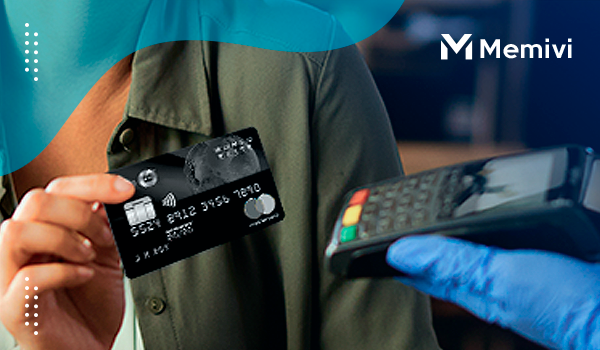
Buy Now, Pay Later, commonly called BNPL, has become a familiar payment option for American shoppers. Instead of paying the entire purchase price upfront, consumers can divide the cost into several payments. The convenience is attractive, particularly when an installment offer advertises no interest under its stated terms.
The problem is that smaller payments can change how you perceive the true cost of a purchase. A $400 item can feel much more affordable when the checkout page emphasizes four $100 payments. When several BNPL plans overlap, future paychecks can become committed to purchases you made weeks or months earlier, turning a convenient payment method into another source of financial pressure.
Smaller Payments Can Make Expensive Purchases Feel Cheaper
One reason BNPL is appealing is psychological simplicity. Instead of asking whether you want to spend $600 on a product, the checkout process may emphasize a much smaller installment. Your attention shifts from the total price to the immediate payment.
The product itself has not become cheaper. If you would not comfortably spend $600 on the item, dividing the cost into smaller pieces does not necessarily make the purchase more affordable. It only changes when the money leaves your account.
Before accepting an installment plan, ignore the advertised payment for a moment and look at the complete purchase price. Ask whether you would still buy the product if you had to think about the entire amount today. That simple question can prevent installment options from influencing how much you are willing to spend.
Interest-Free Does Not Automatically Mean Risk-Free
Some BNPL plans may offer installments without interest when payments are made according to the agreement. That can make them less expensive than certain forms of borrowing in specific situations, but the absence of interest does not eliminate financial risk.
The first risk is cash flow. Even if borrowing costs nothing, you still need enough money available when every scheduled payment arrives. Missing payments can create problems depending on the provider and agreement, including potential fees, collection activity, restrictions on future use, or other consequences.
The second risk is overspending. A financing option that costs nothing can still encourage an unnecessary purchase. Saving interest does not create a financial benefit if the payment method persuaded you to spend hundreds of dollars you otherwise would have kept.
Multiple BNPL Plans Can Quietly Consume Your Paycheck
A single $50 installment may be easy to manage. The problem becomes more serious when consumers use different BNPL plans across multiple stores and providers. Each purchase creates another claim on future income.
Imagine having four active plans requiring payments of $40, $65, $80, and $110 during the same pay period. Suddenly, $295 of your next paycheck is already committed before rent, groceries, insurance, credit cards, and other bills are considered.
Tracking these obligations can also become difficult when payments are spread across different apps or payment methods. Before starting another plan, list every installment already scheduled during the next several weeks. Treat the total as existing debt rather than viewing each purchase separately.
BNPL May Be Useful When the Purchase Was Already Planned
Using Buy Now, Pay Later is not automatically a bad financial decision. There can be situations where dividing a planned purchase helps manage cash flow, particularly when the agreement is clearly understood and the buyer already has the ability to cover the full cost.
Suppose you need to replace an essential appliance and have enough savings to pay for it without touching your emergency fund. A genuinely interest-free installment arrangement could allow you to spread payments while keeping more cash available temporarily, assuming the terms fit your budget.
The key difference is that financing did not create the purchase. You had already decided that the expense was necessary, evaluated the total price, and confirmed that you could afford it. BNPL was simply the payment method rather than the reason the purchase happened.
Using BNPL for Everyday Expenses Can Be a Warning Sign
Financing an occasional planned purchase is very different from repeatedly using installment plans for groceries, restaurant meals, clothing, household basics, or other routine expenses because your checking account cannot cover them.
When normal monthly spending regularly requires borrowing, the underlying issue may be a cash-flow deficit. Adding more installment obligations can temporarily hide that problem while making future months harder to manage.
Review your budget if BNPL has become necessary for everyday purchases. Compare take-home income with essential expenses, debt payments, subscriptions, and discretionary spending. The priority should be identifying why regular expenses exceed available cash rather than continually creating new payment schedules.
Autopay Makes Payments Easier but Does Not Guarantee the Money Exists
Many BNPL arrangements use automatic payments. This reduces the chance of simply forgetting a due date, but autopay cannot prevent problems when the linked bank account or card lacks sufficient available funds.
If several automatic payments occur around the same time, they can compete with other obligations. Rent, utilities, insurance, credit card payments, and subscriptions may already be scheduled from the same checking account.
Maintain a calendar of upcoming installments and include them when calculating your available balance. Do not rely only on notifications from individual apps. A complete view of all scheduled payments is much more useful than monitoring each provider separately.
Read the Terms Before Clicking the Final Button
Buy Now, Pay Later products do not all work the same way. Payment schedules, fees, interest structures, dispute procedures, late-payment consequences, credit reporting practices, and other terms can differ between providers and products.
That makes the checkout screen an important place to slow down. Understand exactly how much you will pay, when each payment is due, what happens if a payment is missed, and whether the arrangement can affect your credit profile.
Also consider returns. If you return a product purchased through BNPL, understand how refunds and remaining installments are handled. Do not assume the payment schedule automatically disappears the moment you hand the product back to the retailer.
Use Installments as a Payment Method, Not Extra Income
BNPL works best when you treat the full purchase price as money you are spending today, even though the payments will happen later. If a $500 purchase would exceed your spending limit, four smaller installments should not magically move it inside your budget.
Consider setting a personal rule that you will not use BNPL unless you could reasonably cover the entire purchase without relying on your next paycheck. This creates a barrier against using installment plans as an extension of income.
If you already have several active plans, consider pausing new BNPL purchases until existing obligations are completed. Redirecting the freed-up payments toward savings can also help create enough cash that future purchases no longer need to be divided automatically.
Make Future Paychecks Belong to Your Future Again
Buy Now, Pay Later can provide convenience, and some arrangements may offer manageable terms for purchases that were already planned. The danger appears when smaller installments encourage higher spending or allow too many purchases to compete for future income.
Before using BNPL, evaluate the total price, read the agreement, check existing installments, and make sure upcoming payments comfortably fit alongside essential expenses. If the purchase only feels affordable after the total price is divided into small pieces, waiting may be the stronger financial choice.
Financial flexibility comes from having more of your future income available for future decisions. The fewer unnecessary payments attached to your next paycheck, the more freedom you have to save, invest, handle emergencies, or spend intentionally. BNPL should support that flexibility when used carefully, not quietly take it away.

 Should You Finance a New Phone or Pay Upfront? <p class='sec-title' style='line-height: normal; font-weight: normal;font-size: 16px !important; text-align: left;margin-top: 8px;margin-bottom: 0px !important;'> Compare 0% financing, carrier promotions, trade-ins, monthly plans, insurance, and total smartphone costs. </p>
  Emergency Expense on a Credit Card? What to Do Next <p class='sec-title' style='line-height: normal; font-weight: normal;font-size: 16px !important; text-align: left;margin-top: 8px;margin-bottom: 0px !important;'> Learn how to limit interest, create a payoff plan, compare repayment options, and rebuild your emergency fund. </p>
  Is Paying Your Mortgage Off Early a Smart Financial Move? <p class='sec-title' style='line-height: normal; font-weight: normal;font-size: 16px !important; text-align: left;margin-top: 8px;margin-bottom: 0px !important;'> Compare interest savings, investing, emergency funds, retirement contributions, taxes, and cash flow before deciding. </p>