



Store credit cards are frequently offered at checkout, promising immediate discounts, exclusive promotions, and rewards for future purchases. For shoppers who regularly visit the same retailer, these benefits can seem like an easy way to reduce expenses. However, behind the promotional offers are financial conditions that deserve careful attention, including interest rates, payment requirements, credit inquiries, and restrictions on how rewards can be used.
The real question isn’t whether store credit cards provide benefits, because many do. It’s whether those benefits outweigh the potential costs for your specific spending habits. A card that works well for someone who pays every statement in full may become expensive for a shopper who regularly carries balances. Understanding the differences can help you avoid unnecessary debt while taking advantage of genuinely useful offers.
How Store Credit Cards Actually Work
Store credit cards generally fall into two categories. Closed-loop cards can typically be used only at a specific retailer or group of affiliated stores, while open-loop store-branded cards operate on payment networks such as Visa or Mastercard and may be accepted at other merchants. Both types can offer retailer-specific benefits, although their rewards, fees, and acceptance vary considerably.
Some retailers provide discounts on the first purchase, ongoing rewards, early access to promotions, or special financing options. For example, a card might offer 5% back in store rewards on qualifying purchases. If you spend $1,000 annually at that retailer, the potential reward value would be $50, assuming all purchases qualify. That benefit should be compared with any interest, fees, restrictions, and additional spending the card might encourage.
The Biggest Risk Is Often the Interest Rate
Store credit cards can carry high annual percentage rates, making unpaid balances expensive. While an initial discount may seem generous, carrying the purchase balance for several months can reduce or eliminate the financial advantage. Interest charges are especially important for consumers who already struggle to pay their existing credit card statements in full.
Consider a hypothetical $1,000 purchase with a $150 introductory discount, leaving $850 to pay. If the card has a 30% APR, carrying that balance could generate approximately $21 in interest during the first month under a simplified calculation. Continued interest charges can accumulate if the balance remains unpaid. The exact amount depends on payment timing and the issuer’s interest calculation, but the lesson is straightforward: a one-time discount is less valuable when it creates expensive ongoing debt.
Special Financing Offers May Have Hidden Conditions
Some retailers advertise financing promotions using phrases such as “No Interest if Paid in Full” within a specified period. These offers can involve deferred interest, which is different from a traditional introductory 0% APR promotion. With deferred interest, failing to pay the promotional balance completely by the deadline may result in interest being charged retroactively from the original purchase date.
For example, someone financing a $1,200 appliance might assume that paying most of the balance before the promotional period ends is enough to avoid interest. Under a deferred-interest arrangement, even a remaining balance could trigger substantial charges based on the agreement’s terms. Before accepting special financing, review the disclosure, calculate the payment required to eliminate the balance before the deadline, and understand how payments are applied when multiple balances exist.
Opening Another Card Can Affect Your Credit Score
Applying for a store credit card often results in a hard inquiry on your credit report. This can cause a temporary change in your credit score, although the impact varies by credit history and scoring model. Opening a new account may also affect the average age of your credit accounts, while the additional available credit could influence your overall credit utilization.
These factors matter if you’re planning to apply for a mortgage, auto loan, or another major credit product. Multiple applications within a short period can create additional inquiries and new accounts. A single store card isn’t automatically harmful, but opening accounts only to receive checkout discounts can make your finances harder to manage. Consider whether the card offers enough ongoing value to justify adding another account to your credit profile.
Store Rewards Aren’t Always as Valuable as Cash Back
A store card may advertise generous rewards, but the actual value depends on how those rewards can be redeemed. Some programs issue certificates that can only be used at the retailer, require minimum purchase amounts, or expire after a limited period. Others restrict which products qualify for rewards or prevent certain discounts from being combined.
Imagine receiving $40 in store rewards that expire in 30 days. If you don’t need anything from that retailer, using the reward may encourage an unnecessary purchase. A general-purpose cash-back card offering a lower reward percentage but more flexible redemption could be more useful for some consumers. Compare the practical value of rewards rather than focusing exclusively on the advertised percentage.
When a Store Credit Card Can Make Sense
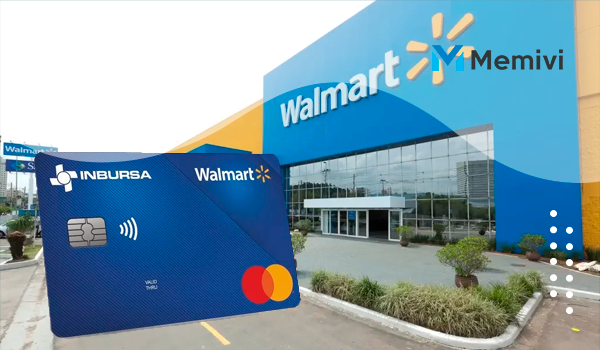
A store credit card may be worthwhile when you regularly purchase necessary items from the same retailer, receive meaningful benefits, and consistently pay your statement balance in full. For example, a household that buys groceries or essential supplies from one store every month may find ongoing discounts more useful than someone who shops there only once a year.
The strongest candidates are shoppers who already have a stable budget and don’t need credit to finance routine purchases. If a card has no annual fee, offers rewards on purchases you would make anyway, and doesn’t encourage higher spending, it may provide measurable savings. However, it’s still important to review exclusions, reward expiration dates, and the card’s full terms before applying.
When You Should Avoid Opening a Store Card
Store credit cards are less attractive when you’re already carrying high-interest debt, frequently miss payment deadlines, or struggle to control discretionary spending. A new account can make borrowing easier without increasing your actual income. If the initial discount encourages you to buy something you weren’t planning to purchase, the promotion may create spending rather than savings.
You should also be cautious when a major loan application is approaching or when the card’s benefits are limited to a retailer you rarely visit. A 20% discount on one purchase may not justify maintaining another account for years. If you’re uncertain about the financing terms or cannot comfortably repay the balance, declining the offer is often the more financially responsible decision.
Compare the Card With Alternatives Before Applying
Before opening a store credit card, compare its benefits with options you already have. Existing credit cards may offer cash back, purchase protections, or promotional offers without requiring another application. Retailers may also provide discounts through free loyalty programs, digital coupons, or seasonal promotions that don’t involve borrowing.
Calculate the annual value of the store card based on your realistic spending, not the amount the retailer hopes you’ll spend. If you typically purchase $600 annually and receive 5% in usable rewards, that’s approximately $30 in potential yearly benefits. Consider whether that amount justifies the additional account, payment management, and possible credit impact. Small rewards can be useful, but they shouldn’t distract from the larger financial picture.
How to Use a Store Credit Card Responsibly
If you decide to open a store card, treat it as a payment tool rather than additional spending money. Set a monthly spending limit based on your existing budget, monitor transactions, and schedule payments before the due date. Paying the statement balance in full generally helps avoid purchase interest when the account’s grace period applies and its conditions are satisfied.
Review statements for unexpected charges, track promotional deadlines, and understand how rewards are earned and redeemed. If you no longer use the card, evaluate the consequences before closing it because account closures can affect available credit and credit utilization. The objective is to keep the account useful without allowing rewards or discounts to influence purchases you wouldn’t otherwise make.
Make the Benefits Worth More Than the Costs
Store credit cards can provide legitimate value, but they aren’t automatically the best choice for every shopper. High interest rates, deferred-interest promotions, restricted rewards, and credit inquiries can outweigh the appeal of an introductory discount. The financial outcome depends largely on how frequently you shop at the retailer and whether you can manage the account without carrying expensive debt.
Before applying, compare the card’s real annual benefits with its potential costs and consider whether a more flexible alternative would serve you better. If the card rewards spending you already planned and you consistently repay balances in full, it may be useful. If it encourages unnecessary purchases or additional borrowing, the advertised savings could ultimately cost you more.

 How to Spot Fake Discounts and Avoid Impulse Buying When Shopping Online <p class='sec-title' style='line-height: normal; font-weight: normal;font-size: 16px !important; text-align: left;margin-top: 8px;margin-bottom: 0px !important;'> Learn how to spot fake online discounts, recognize misleading sales tactics, avoid impulse buying, and protect your budget. </p>
 How to Split Household Expenses Fairly When Living With Family or Roommates <p class='sec-title' style='line-height: normal; font-weight: normal;font-size: 16px !important; text-align: left;margin-top: 8px;margin-bottom: 0px !important;'> Learn how to split rent, utilities, groceries, and household expenses fairly with roommates or family while avoiding money and late payments. </p>
 Should You Use Your Holiday Bonus to Pay Off Debt or Build Savings? <p class='sec-title' style='line-height: normal; font-weight: normal;font-size: 16px !important; text-align: left;margin-top: 8px;margin-bottom: 0px !important;'> Should you use your year-end bonus to pay off debt or save money? Learn how to prioritize credit cards and emergency savings. </p>