


Online shopping makes purchasing almost anything possible within seconds, but that convenience can also lead to unnecessary spending. Flash sales, discount codes, countdown timers, and personalized recommendations are designed to encourage quick decisions. A product advertised as a limited-time bargain may seem too good to miss, even when you weren’t planning to buy it. Over time, these small purchases can accumulate into hundreds of dollars in expenses that provide little lasting value.
Learning how to spot fake discounts and avoid impulse buying is an important part of managing personal finances. The objective isn’t to stop shopping online or ignore every promotion, but to distinguish genuine savings from marketing tactics that encourage spending. By comparing prices, checking sellers, and understanding your own purchasing habits, you can make more informed decisions and keep your budget under control.
Why a Large Discount Doesn’t Always Mean Real Savings
One of the most common online shopping tactics is displaying a high original price next to a much lower promotional price. A product advertised at $79 instead of $199 appears to offer a substantial discount, but the comparison may be misleading if the item normally sells for around $85. The percentage looks impressive, yet the actual savings compared with its usual market price could be minimal.
Before purchasing, search for the exact product across multiple retailers and compare the total checkout price. Pay attention to model numbers, sizes, materials, and included accessories because similar-looking products may have different specifications. Price-history tools can also provide useful context, although their records may be incomplete. The most important number isn’t the advertised discount percentage; it’s the amount you would reasonably pay for the same product elsewhere.
Countdown Timers and Low-Stock Warnings Create Pressure
Messages such as “Only three left,” “Sale ends in 10 minutes,” or “Twenty people are viewing this item” can create a sense of urgency. Some inventory warnings reflect genuine availability, but others may be promotional techniques that encourage shoppers to act before evaluating whether the purchase makes sense. The fear of missing a bargain can become stronger than the original reason for visiting the website.
A practical way to resist this pressure is to avoid making unplanned purchases immediately. Save the item, compare alternatives, and revisit the decision after 24 hours. If the product remains useful and affordable, you can evaluate it with a clearer perspective. If the desire disappears once the countdown ends, the urgency may have influenced your interest more than the product itself. Missing a promotion is usually less damaging than spending money on something you never needed.
Hidden Fees Can Turn a Bargain Into an Expensive Purchase
A low advertised price doesn’t guarantee a low final cost. Shipping charges, handling fees, sales taxes, mandatory accessories, and return shipping can increase the amount you actually pay. Some websites also encourage shoppers to add extra products to qualify for free delivery, creating a situation where people spend significantly more than intended to avoid a relatively small shipping fee.
Imagine finding a household item for $45 with a $12 shipping charge. Another retailer sells the identical product for $52 with free delivery. Although the first website advertises the lower product price, its final cost is $57 before applicable taxes, making the second option less expensive. Always compare complete checkout totals rather than product prices alone, and avoid adding unnecessary merchandise simply to meet promotional spending thresholds.
Watch for Fake Reviews and Suspicious Sellers
Customer reviews can help evaluate product quality, but they aren’t always reliable. Some sellers may use fabricated reviews, incentivized ratings, or misleading testimonials to make products appear more popular than they are. Be cautious when a listing contains unusually repetitive praise, reviews that don’t describe the product, or photographs that seem unrelated to the item being sold.
Before purchasing from an unfamiliar website, check the seller’s contact information, return policy, payment options, and independent reputation. Look carefully at the website address because fraudulent stores sometimes imitate established brands with slightly altered domain names. Extremely low prices on popular products can also be a warning sign. Using payment methods with appropriate consumer protections may reduce certain risks, but those protections don’t replace the need to verify that a retailer is legitimate.
Social Media Shopping Can Encourage Unnecessary Spending
Social media platforms frequently display products based on browsing activity, interests, and previous purchases. Influencer recommendations, short product demonstrations, and personalized advertisements can make ordinary items appear essential. Because these promotions often blend into entertainment content, shoppers may not recognize how frequently they’re being encouraged to spend money.
Before purchasing something discovered through social media, consider whether the product solves a genuine problem or simply looks appealing in a demonstration. Search for independent reviews, compare prices, and evaluate whether you already own something that serves the same purpose. If an influencer earns commissions from purchases made through affiliate links, that financial incentive is worth keeping in mind. Recommendations can be useful, but they shouldn’t replace your own research or budget.
Buy Now, Pay Later Can Hide the True Cost
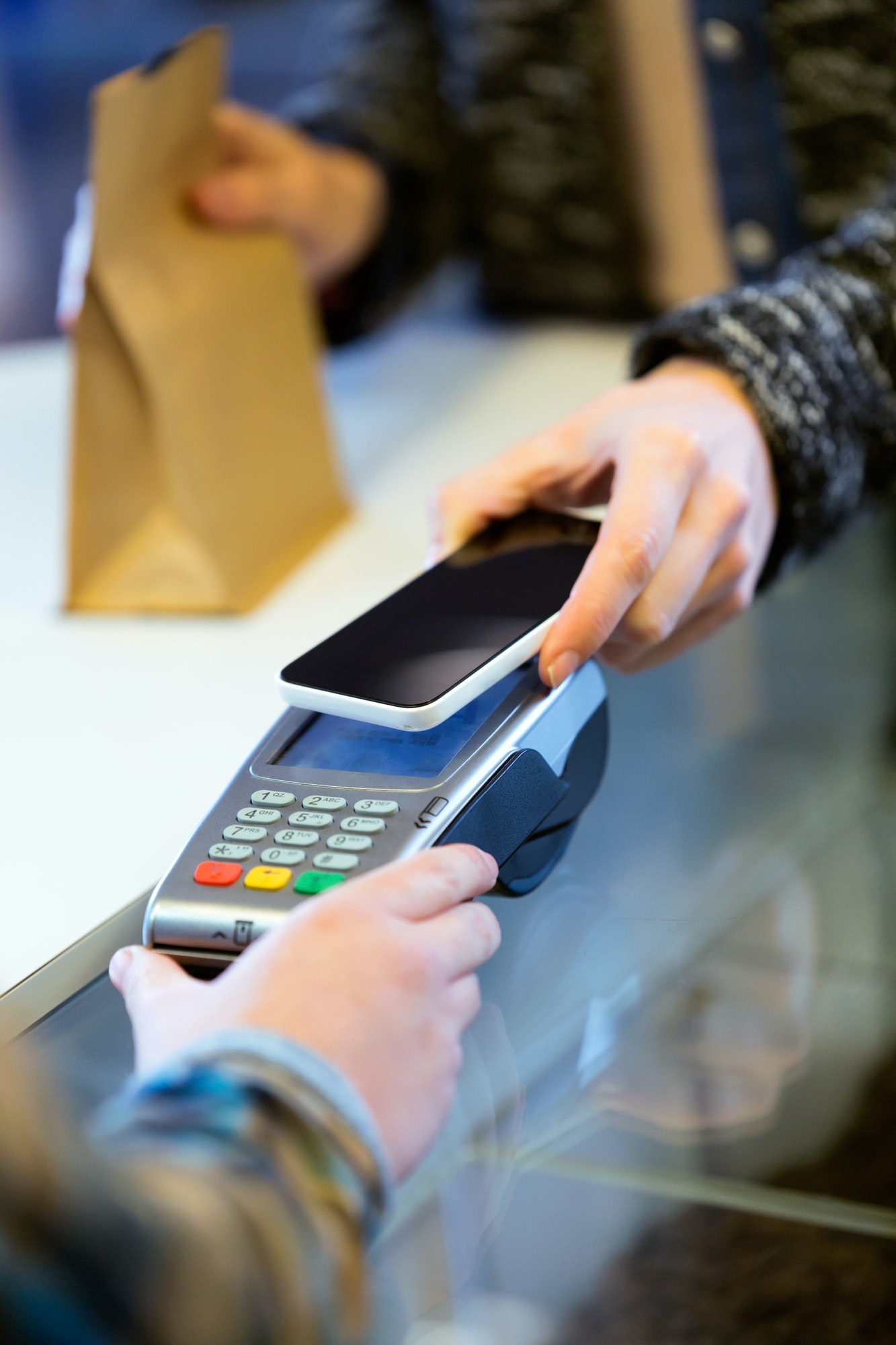
Installment payment options can make purchases feel less expensive by emphasizing smaller payments instead of the full price. A $240 item divided into four $60 installments may seem manageable, but the total expense remains $240. When several purchases are financed simultaneously, future payment obligations can accumulate without appearing as one large balance.
Some buy now, pay later plans charge interest or fees depending on their terms, and missed payments may create additional consequences. Before selecting an installment option, calculate the complete amount owed and review every payment date. Ask whether you could comfortably afford the purchase without financing. If the answer is no, splitting the price into smaller payments doesn’t necessarily make it financially appropriate.
Create a Shopping Budget Before Browsing
Impulse buying becomes easier when there is no clear spending limit. Establishing a monthly budget for nonessential online purchases can help separate affordable shopping from spending that interferes with financial priorities. This amount should be determined after accounting for housing, groceries, utilities, debt obligations, and savings contributions.
For example, someone with $150 available for discretionary purchases might decide to spend no more than $75 on online shopping and reserve the remainder for other activities. Tracking purchases throughout the month makes it easier to recognize when the limit is approaching. If you find an item that exceeds your available budget, consider waiting until you’ve saved enough rather than borrowing or reducing money intended for essential expenses.
Remove the Features That Make Impulse Buying Too Easy
Online retailers often make purchasing effortless by storing payment information, offering one-click checkout, and sending frequent promotional notifications. While these features save time, they also reduce the opportunity to reconsider unnecessary purchases. Adding small barriers between browsing and payment can help you make more deliberate decisions.
Consider disabling shopping notifications, unsubscribing from promotional emails, and removing saved payment methods from websites where you frequently make unplanned purchases. You can also keep a wish list instead of immediately placing items in your cart. Review that list periodically and remove products that no longer seem important. These changes don’t prevent you from buying what you need, but they make impulsive spending less automatic.
Understand Return Policies Before Completing a Purchase
A product that appears inexpensive can become a costly mistake when returning it is difficult. Some online stores charge restocking fees, require customers to pay return shipping, or provide only store credit instead of refunds. International sellers may also have return procedures that make recovering your money inconvenient or expensive.
Read the return policy before paying, especially when purchasing clothing, electronics, furniture, or unfamiliar brands. Confirm the return deadline, required product condition, and whether refunds are issued to the original payment method. Keep order confirmations and receipts until you’re satisfied with the purchase. A slightly higher price from a reputable seller with a reasonable return policy may offer better overall value than a questionable bargain with limited consumer support.
Turn Smarter Shopping Into Long-Term Savings
Avoiding impulse purchases can produce meaningful financial results without requiring dramatic lifestyle changes. If you eliminate just four unnecessary $25 purchases each month, you’ll keep an additional $100 in your budget. Over twelve months, that represents $1,200 that could support emergency savings, debt repayment, or another financial priority.
The goal is to spend intentionally rather than react to every promotion. Compare real prices, verify sellers, account for hidden fees, and give yourself time before making unplanned purchases. When you stop treating every discount as an opportunity that must be taken, online shopping becomes easier to control and less likely to interfere with your financial goals.

 How to Split Household Expenses Fairly When Living With Family or Roommates <p class='sec-title' style='line-height: normal; font-weight: normal;font-size: 16px !important; text-align: left;margin-top: 8px;margin-bottom: 0px !important;'> Learn how to split rent, utilities, groceries, and household expenses fairly with roommates or family while avoiding money and late payments. </p>
 Should You Use Your Holiday Bonus to Pay Off Debt or Build Savings? <p class='sec-title' style='line-height: normal; font-weight: normal;font-size: 16px !important; text-align: left;margin-top: 8px;margin-bottom: 0px !important;'> Should you use your year-end bonus to pay off debt or save money? Learn how to prioritize credit cards and emergency savings. </p>
 Is It Better to Travel or Stay Home for the Holidays? The Real Financial Cost <p class='sec-title' style='line-height: normal; font-weight: normal;font-size: 16px !important; text-align: left;margin-top: 8px;margin-bottom: 0px !important;'> Is it cheaper to travel or stay home for Christmas? Compare flights, hosting costs, hidden expenses, and smart ways to protect your budget. </p>