


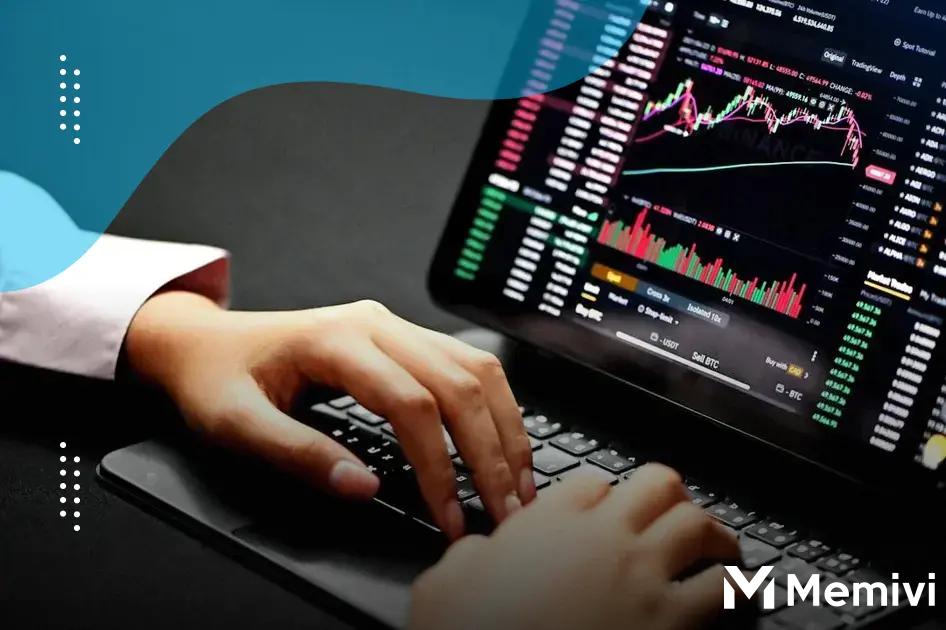
Creating multiple streams of income from home has become a strategic financial goal rather than a temporary trend. Rising living costs, job uncertainty, and digital access have increased the need for diversified income sources that do not rely on physical presence.
Building additional income streams is not about working nonstop, but about structuring efforts efficiently. When income sources are diversified, financial risk is reduced and opportunities for growth become more predictable and sustainable over time.
Understanding Income Diversification
Income diversification means earning money from more than one source. Relying on a single paycheck creates vulnerability when unexpected events occur.
Multiple income streams spread risk and stabilize cash flow. When one source slows down, others can compensate partially or fully.
This approach improves financial resilience and creates greater control over personal finances. Diversification is a foundational principle of long-term financial security.
Active Income Opportunities from Home
Active income streams require direct time and effort in exchange for money. Examples include freelancing, consulting, tutoring, and remote service-based work. These options often leverage existing skills and require little upfront investment. Income can be scaled by increasing efficiency or expanding services. Active income is usually the fastest way to add a second stream. It provides immediate cash flow and practical experience working independently.
Semi-Passive and Scalable Income Models

Semi-passive income combines upfront effort with ongoing returns. Content creation, digital products, and online courses fall into this category.
These models require planning and consistency but offer scalability over time. One effort can generate income repeatedly without proportional increases in work.
Semi-passive streams are effective for balancing time and income growth. They bridge the gap between active work and long-term leverage.
Passive Income Expectations and Risks
Passive income is often misunderstood as effortless. In reality, it requires capital, time, or both before becoming sustainable. Examples include dividend investing, rental income, or automated online businesses. Each carries risk and requires ongoing management.
Understanding limitations prevents unrealistic expectations. Passive income works best as part of a diversified income system, not as a standalone solution.
Structuring Income Streams Strategically
Effective income diversification starts with one additional stream. Adding too many at once reduces focus and execution quality.
Prioritizing reliability over novelty improves results. Stable, repeatable income sources outperform inconsistent opportunities.
A structured approach aligns income streams with available time, skills, and financial goals. Strategy determines sustainability more than quantity.
Conclusion
Creating multiple streams of income from home is a strategic process rooted in diversification, structure, and realistic execution. When income sources are built gradually and aligned with personal capacity, financial dependence on a single source decreases significantly. This structure improves predictability and resilience.
Over time, diversified income supports stronger cash flow, greater flexibility, and improved long-term financial planning. Multiple income streams are not about constant activity, but about building systems that generate stability and optionality. Financial strength grows when income is intentional, balanced, and strategically managed.

 The Financial Opportunities Hidden in Digital Communities <p class='sec-title' style='line-height: normal; font-weight: normal;font-size: 16px !important; text-align: left;margin-top: 8px;margin-bottom: 0px !important;'> Learn how digital groups can open new financial opportunities and help individuals build connections, skills, and revenue. </p>
  Why More People Are Monetizing Their Hobbies Online in the Digital Economy <p class='sec-title' style='line-height: normal; font-weight: normal;font-size: 16px !important; text-align: left;margin-top: 8px;margin-bottom: 0px !important;'> Learn how many people are turning their hobbies into online income by using digital platforms, social media, and marketplaces. </p>
  How the Creator Economy Is Changing Personal Income <p class='sec-title' style='line-height: normal; font-weight: normal;font-size: 16px !important; text-align: left;margin-top: 8px;margin-bottom: 0px !important;'> Explore how the creator economy is changing personal income by allowing individuals to earn money through digital content and online platforms </p>