



Living paycheck to paycheck can feel like a never-ending cycle of stress and uncertainty. This article shows how anyone — regardless of income — can start building a solid fund for emergencies and finally gain financial peace of mind.
Building an emergency fund is one of the most important steps toward financial security. Yet, for millions of Americans living paycheck to paycheck, it often seems impossible. With rent, groceries, and bills consuming most of the income, saving money feels like a distant dream rather than a realistic goal.
However, even small, consistent actions can make a significant difference over time. This article explains how to build an emergency fund from scratch, even with a limited income. It provides simple strategies, practical examples, and proven habits that help create financial stability and reduce stress, no matter the starting point.
Understanding the Importance of an Emergency Fund
An emergency fund acts as a financial safety net. It protects against unexpected events like job loss, car repairs, or medical bills. Without one, people are often forced to rely on credit cards or loans, which can lead to more debt and long-term instability.
Experts recommend saving at least three to six months of essential expenses. While that goal may sound intimidating, the key is to start small and stay consistent. Even saving $20 or $30 a week can grow into a meaningful cushion over time, especially when combined with mindful budgeting.
Having an emergency fund is not just about money — it’s about peace of mind. Knowing there’s money set aside for the unexpected reduces anxiety and gives individuals more control over their choices, preventing panic-driven financial decisions.
Finding Money to Save When Budgets Are Tight
When living paycheck to paycheck, creating space for savings seems nearly impossible. However, building a fund begins by identifying small, manageable areas to adjust. Start with tracking every expense for a month to see where money truly goes. Awareness is the first step to improvement.
Cutting back doesn’t always mean giving up what you enjoy. Simple swaps — like preparing coffee at home instead of buying it daily, canceling unused subscriptions, or meal planning — can save $50 to $100 per month. These small changes, redirected toward your emergency fund, can accumulate faster than expected.
Negotiating bills can also make a big difference. Contacting service providers for internet, insurance, or phone plans often leads to lower rates. Using cashback apps, discounts, or reward programs adds another layer of savings without major lifestyle changes. The key is consistency and creativity rather than sacrifice.
Automating and Simplifying the Saving Process
The easiest way to grow an emergency fund is through automation. Setting up an automatic transfer to a separate savings account removes temptation and ensures regular progress. Even small, automatic deposits of $10 to $25 per week can create meaningful results over a few months.
To stay motivated, consider naming the account “Emergency Fund” or “Peace of Mind Fund.” This label serves as a constant reminder of its purpose. Keeping the account separate from checking also reduces the risk of accidental spending.
Online banks often offer higher interest rates for savings accounts, helping the fund grow slightly faster. Some also allow round-up savings — automatically saving the difference from purchases. Every small contribution adds up and moves you closer to financial stability.
Building Momentum and Staying Consistent
Creating an emergency fund takes patience. At first, progress might feel slow, especially when the goal seems far away. However, the process becomes easier as habits develop and savings grow. The most important rule is not the amount saved, but the act of saving itself.
Start by setting short-term goals. For instance, aim to save $500 first — enough to handle small emergencies like car repairs or medical co-pays. Once achieved, move toward a one-month expense goal, and then gradually build up to three or six months. Breaking the goal into smaller steps keeps motivation strong and progress visible.
To reinforce the habit, celebrate small milestones. Recognize each progress marker as a personal achievement. This positive reinforcement keeps the momentum going, even during difficult months. Remember, consistency matters more than perfection.
Protecting and Growing Your Emergency Fund

Once your emergency fund starts growing, protect it carefully. The money should only be used for true emergencies — unexpected events that directly affect essential living needs. Avoid spending it on vacations, new gadgets, or non-urgent purchases. Treat it as a shield, not a convenience.
If you ever need to use the fund, focus immediately on rebuilding it. The goal is to keep it replenished so it continues to provide security. Consider pairing the fund with basic budgeting techniques to ensure ongoing balance between spending, saving, and debt repayment.
Over time, as financial stability improves, you can begin investing for long-term growth. However, the emergency fund should always come first. It provides the safety and confidence necessary to explore bigger financial goals without fear of setbacks.
Realistic Examples of Saving While Living Paycheck to Paycheck
Building an emergency fund is achievable, even on a tight budget. Consider the case of someone earning $2,800 a month and spending nearly all of it. By reviewing expenses, they identify $80 saved through meal prep, $40 by canceling streaming services, and $30 by negotiating a lower phone bill. That’s $150 a month redirected toward savings — or $1,800 in a year.
Another example involves using windfalls like tax refunds, bonuses, or side income to boost the fund. Even a one-time deposit of $300–$500 can make a difference. Combining consistent small contributions with occasional larger ones accelerates growth significantly.
Over time, these incremental steps create meaningful financial resilience. The power of compound progress — not large one-time actions — is what builds true stability.
The Psychological Benefits of Having an Emergency Fund
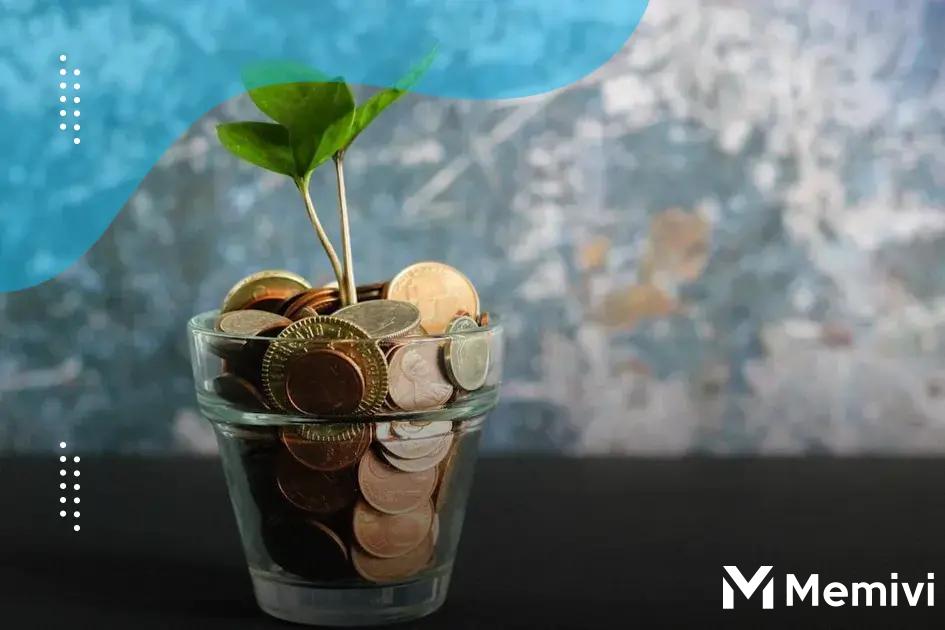
Beyond numbers, the psychological effect of an emergency fund is profound. Financial stress is one of the leading causes of anxiety and burnout in America. Having even a modest cushion changes that narrative, replacing fear with confidence.
People with emergency funds report sleeping better, making clearer financial decisions, and feeling more in control of their future. The sense of security it brings extends beyond money — it restores a feeling of independence and calm in everyday life.
This emotional stability becomes motivation to maintain better financial habits. Once individuals experience the relief of being prepared, they’re far less likely to fall back into old spending patterns. Building the fund, therefore, becomes both a financial and emotional transformation.
Building an emergency fund while living paycheck to paycheck may seem impossible at first, but it’s entirely achievable with consistency, patience, and discipline. It doesn’t require a large salary — only small, intentional steps repeated over time. The goal is progress, not perfection.
Every dollar saved represents a step toward independence and peace of mind. Whether it’s through trimming expenses, automating savings, or using windfalls wisely, anyone can create a safety net strong enough to handle life’s surprises.
Financial security begins with preparation. Start with what you have, save what you can, and stay consistent. Over time, your emergency fund will grow — not just in value, but in the confidence and stability it brings to your life.

 Should You Finance a New Phone or Pay Upfront? <p class='sec-title' style='line-height: normal; font-weight: normal;font-size: 16px !important; text-align: left;margin-top: 8px;margin-bottom: 0px !important;'> Compare 0% financing, carrier promotions, trade-ins, monthly plans, insurance, and total smartphone costs. </p>
  Emergency Expense on a Credit Card? What to Do Next <p class='sec-title' style='line-height: normal; font-weight: normal;font-size: 16px !important; text-align: left;margin-top: 8px;margin-bottom: 0px !important;'> Learn how to limit interest, create a payoff plan, compare repayment options, and rebuild your emergency fund. </p>
  Is Paying Your Mortgage Off Early a Smart Financial Move? <p class='sec-title' style='line-height: normal; font-weight: normal;font-size: 16px !important; text-align: left;margin-top: 8px;margin-bottom: 0px !important;'> Compare interest savings, investing, emergency funds, retirement contributions, taxes, and cash flow before deciding. </p>